
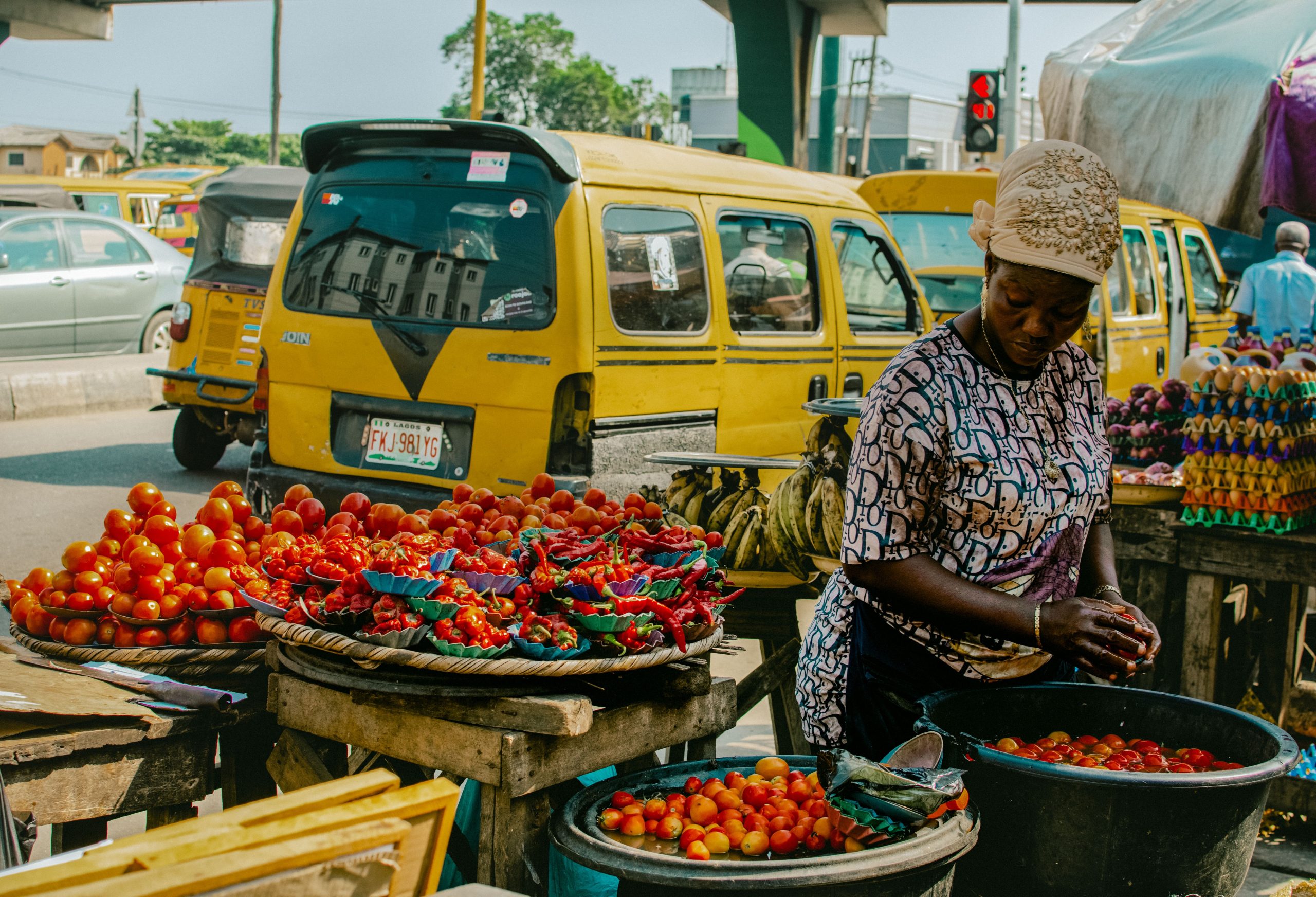
Eating healthy sounds simple until you start hearing conflicting advice. One person says to stop eating carbohydrates, another recommends skipping dinner, while social media promotes expensive foods as essential for good health.
So, what does eating healthy actually mean?
Healthy eating means giving your body the nutrients it needs through a balanced, varied diet that you can maintain over time. It is not about eating perfectly, eliminating your favourite foods or following every diet trend.
What a Healthy Diet Should Look Like?
You do not have to replace your usual Nigerian meals with salads, smoothies or expensive health foods. You can still make familiar meals more balanced by considering their ingredients, portions and preparation methods. Here’s a guide to help when choosing the sources of your meal:
- Carbohydrates: Rice, yam, potatoes, oats and other grains provide energy for daily activities.
- Protein: Beans, eggs, fish, chicken and other protein-rich foods support muscle maintenance and tissue repair.
- Fruits and vegetables: Oranges, pawpaw, ugu, spinach and carrots to provide vitamins, minerals and fibre.
- Healthy fats: Groundnuts, seeds, avocado and fish provide fats needed for normal bodily functions.
- Water: Drinking water regularly supports hydration and normal body functions.
Five practical ways to start eating healthier
1. Improve one meal at a time. Start by adding a protein source or vegetables to a meal that usually lacks them.
2. Plan a few meals ahead. Decide what you will eat for the next two or three days and prepare ingredients when you have time.
3. Keep convenient foods available. Eggs, beans, fruit, groundnuts and other suitable foods can help you put together meals or snacks when your schedule is demanding.
4. Pay attention to portions without becoming obsessive. Eat enough to meet your needs, and adjust portions according to hunger, fullness, activity and health goals.
5. Aim for consistency, not perfection. One meal does not determine your health. Focus on the pattern you build over weeks and months.
Eating healthy is first and foremost about nourishing your body, not following the strictest and most expensive diet. Small, consistent changes can help you build a healthier relationship with food without making eating a source of stress.
